
Beverage presentation with purpose: explain your choices
Explore the thinking behind glassware, garnish and a clear service explanation as you prepare for hospitality training at NIH College.
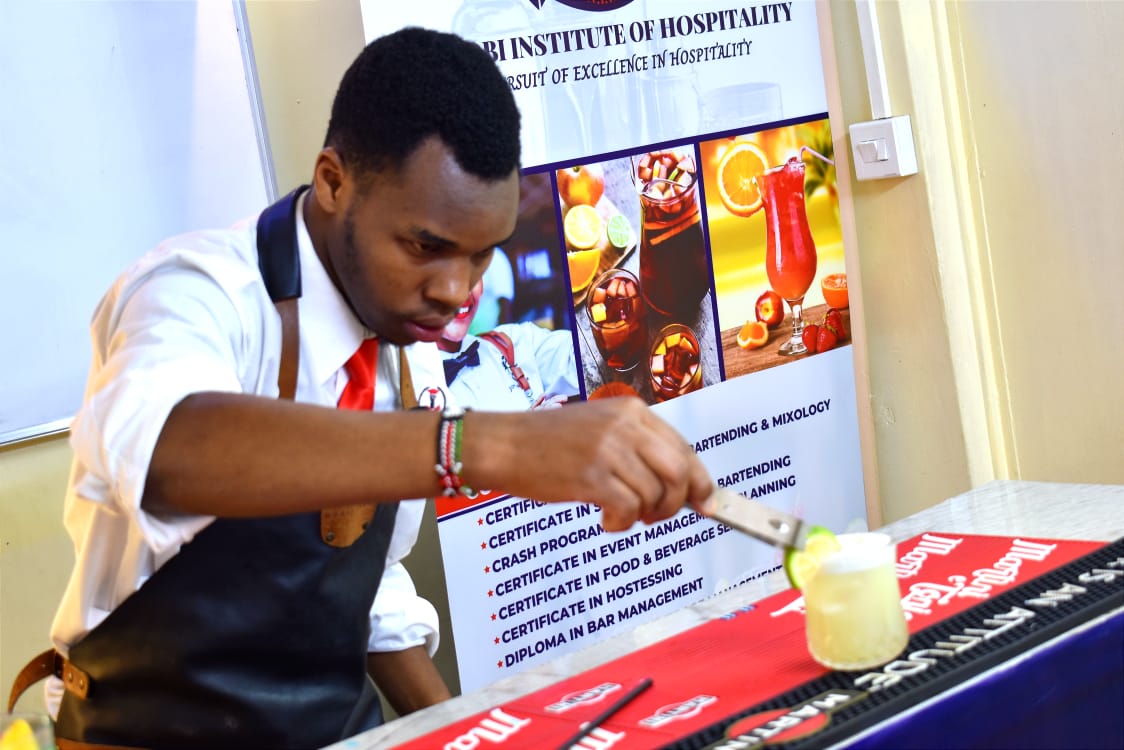
A well-presented beverage should make sense as well as look attractive. Glassware, colour and garnish all influence the first impression, but a thoughtful learner also asks why each detail belongs there. At Nairobi Institute of Hospitality, we encourage prospective students to connect presentation with purpose. Being able to explain a choice is a useful step towards developing professional judgement.
Begin by observing one presentation carefully. Describe what you can actually see: the glass shape, the position of the garnish and the arrangement of the service area. Keep observation separate from assumption. A photograph can show appearance, but it cannot confirm a recipe, flavour or ingredient list. Ask for the relevant information before describing the drink to someone else.
For a simple planning exercise, imagine presenting a non-alcoholic welcome drink. Write a short brief about the intended occasion and the experience you want to create. Then sketch two possible presentations. This is a design exercise, not an instruction to prepare or serve a particular recipe. Use your instructor’s guidance when moving from an idea to practical work.
Compare your options using three questions. Does the glassware suit the intended service? Does the garnish have a clear purpose? Can the presentation be repeated consistently? An elaborate decoration may catch attention, yet a simpler choice can be easier to explain and reproduce. Consider the whole service rather than treating the finished glass as an isolated picture.
Practise a concise introduction. State the name of the drink, describe its confirmed ingredients or characteristics and explain one presentation choice. Avoid guessing about ingredients or making claims you cannot support. If a guest asks something you do not know, acknowledge the question and check with the appropriate person. Accurate information is part of a confident presentation.
Invite a partner to review your sketch and explanation. Ask which detail is clear, which seems unnecessary and what they would need to know before accepting the drink. Revise one element at a time, then explain why you changed it. This approach helps you practise observation, communication and deliberate decision-making alongside your interest in beverage presentation.
Our Professional Bartending & Mixology and Food & Beverage Service certificates are among the study options you can explore at NIH College. Ask admissions for the current course outline, entry requirements, duration, fees and practical learning arrangements. Tell us which aspects of preparation, presentation or guest service interest you so we can help you compare your options.
Turn your curiosity into an informed next step. Call or WhatsApp +254797410292, email nairobiinstituteofhospitality@gmail.com, or visit Information House, Suite 403, Mfangano Street, Nairobi CBD. We welcome your questions about hospitality and business training and how to prepare for your chosen programme.